
Time is running out for Haiti’s political leaders to reach a consensus on how the country should be governed after Feb. 7, when the ruling Transitional Presidential Council is expected to step down without transferring power to an elected government.
The warning is being issued by the 15-member Caribbean Community, known as CARICOM, whose Eminent Persons Group has been holding talks with council members and political leaders as Haiti approaches its third political transition in five years.
The looming transition comes as the country enters its 10th year without general elections, continues to experience a surge in violence beyond Port-au-Prince and faces a worsening crisis, as more than 300,000 Haitians in the United States could lose protection from deportation as early as Feb. 3.
The Eminent Persons Group “is deeply concerned by the tardiness of the stakeholders to find common ground and coalesce around a Haitian-led consensual agreement on an alternative transitional process despite the points of convergence in the multiple proposals made public,” a CARICOM statement said. “It is vital that stakeholders, civil society and the people of Haiti reach a consensus before 7 February, 2026. A failure to do so could lead to unwanted repercussions. Time is, therefore, of the essence!”
For months, former prime ministers Perry Christie of The Bahamas, Bruce Golding of Jamaica and Kenny Anthony of St. Lucia have intensified their engagements with Haitian political and civil leaders about the country’s next steps amid fears that powerful armed gangs could exploit a political vacuum if no agreement is reached ahead of Feb. 7.
Their efforts have been joined by others, including the United Nations Integrated Office in Port-au-Prince, La Francophonie, the Organization of American States and the United States and Canadian embassies. But despite multiple proposals, they’ve failed to get Haitians to resolve the political impasse. The only agreement appears to be that come Feb. 7, the nine-member council must leave office. But how that will happen, and who will ensure it happens, remain unclear.
Last month Canada’s ambassador to Haiti, André François, warned council members “the status quo is not an option,” stressing that preserving continuity and political stability is essential.
The dean of the diplomatic corps, François commended the council for establishing specialized judicial units to investigate financial crimes and mass atrocities. Under U.S. pressure, they also published an electoral law that sets elections for this summer.
François’ address came as the council once again sought to remove its second prime minister in a year and as the U.S. is still seeking financial and personnel backing for the newly authorized Gang Suppression Force to help Haitian fight armed groups and restore security for elections.
Political gamesmanship
This week, council members were accused of trying to replace their current coordinator, Laurent Saint-Cyr, who did not back attempts to get rid of Prime Minister Alix Didier Fils-Aimé. The prime ministers is trying to negotiate a deal to remain on after Feb. 7 but without a presidential oversight structure.
Members of the transition are being accused of prioritizing their hold on power, and in some cases negotiate what critics describe as golden parachutes with cash payouts, ministerial appointments and immunity from charges of corruption.
In an official statement on Dec. 26, council members refuted the allegations that they intended to grant themselves severance packages at the end of their term. They said the rumors were “a disinformation campaign” aimed at weakening their credibility.
The council was formed in the aftermath of a violent siege that prompted the United States to force the resignation of Prime Minister Ariel Henry. Its central mission was to restore law and order to Haiti by appointing a new acting prime minister, facilitating the arrival of a Kenya-led multinational security force and paving the way for elections.
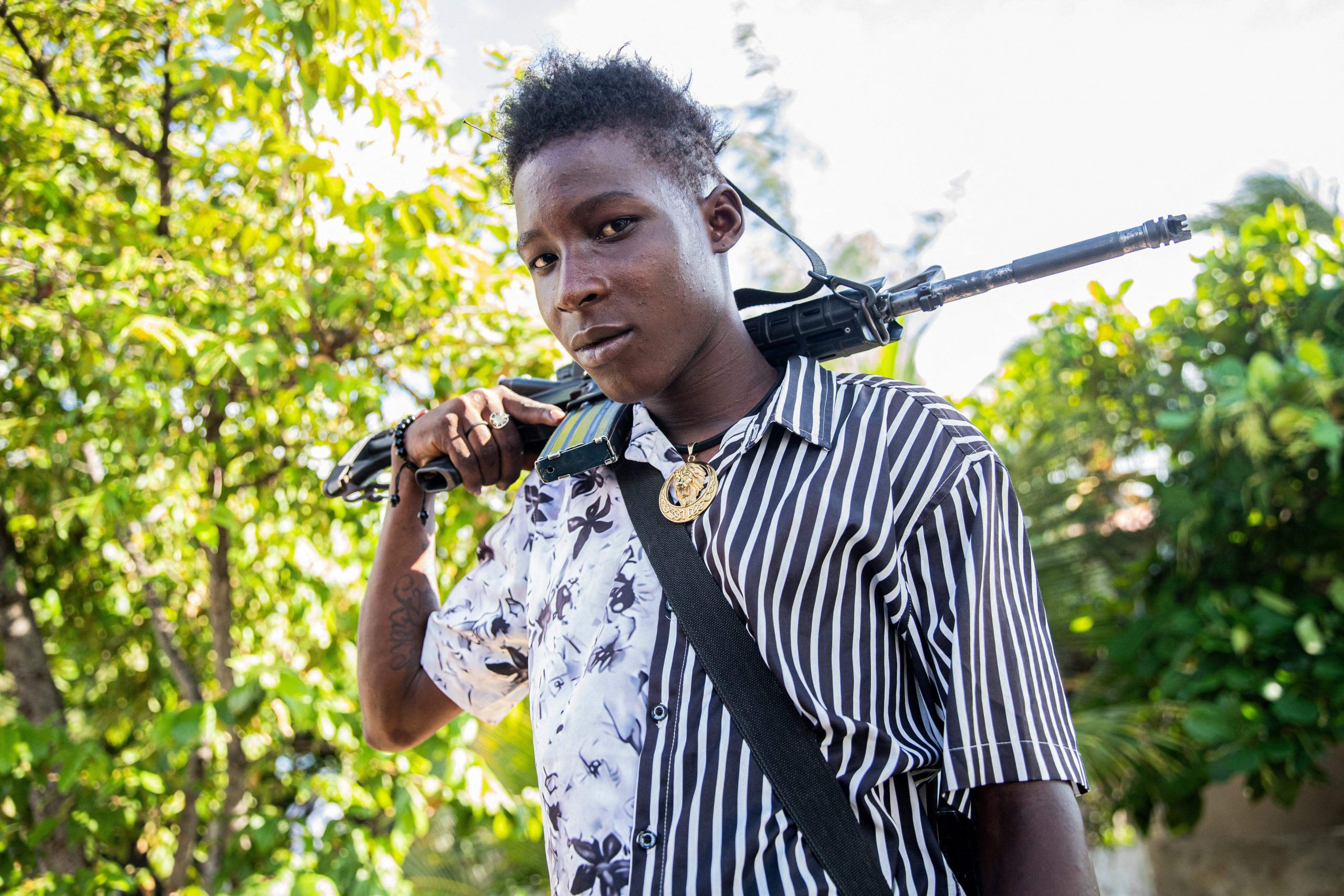
But from the onset, the panel was plagued by political infighting and corruption scandals. Both have paralyzed the transition, while empowering gangs that now control larger swaths of the capital — more than in April 2024 when the council assumed power — and other regions of the country.
In recent days, Haitian police, Kenyan police and a government task force using explosive drones have made some headway in trying to reclaim parts of downtown Port-au-Prince. They’ve bulldozed homes and created panic among gang leaders, who have abandoned some of their strongholds in the center of the capital.
But council members continue to be dogged by allegations of dealmaking and protectionism. In December, with the support of cabinet ministers, they enacted decrees that shield them from prosecution after leaving office and impose jail sentences on journalists. Both were made without public debate.
In its statement, CARICOM’ called on those involved in the negotiations “to demonstrate patriotism above all other sentiments if Haitians are to determine their own destiny.”