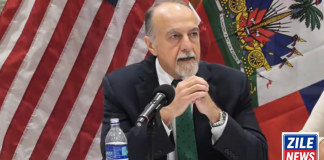

American citizens in Haiti face increased kidnapping threats, prompting a renewed travel advisory.
American citizens in Haiti are being targeted by kidnappers pretending to be police officers, prompting the United States to renew its highest-level Do Not Travel advisory, officials have confirmed.
The US Embassy in Port‑au‑Prince has issued a new warning, urging Americans to limit travel within the country and take extra precautions if they remain, citing ongoing security concerns.
Kidnappers Posing as Police Target Americans in Port‑au‑Prince
The embassy reports a rise in kidnappings for ransom in Port‑au‑Prince, particularly in the Delmas district.
Many of the incidents involve armed individuals impersonating police officers, making it difficult for residents and travellers to identify legitimate law enforcement. Victims have reportedly been approached and abducted by people carrying fake police credentials.
The embassy emphasised a core safety measure: ‘Do not drive alone.’ Travellers are advised to inform someone of their movements and avoid travelling without companions.
Haiti Remains Under Level 4 ‘Do Not Travel’ Advisory
Haiti continues to be rated Level 4 – Do Not Travel by the US Department of State, the highest warning level issued. The advisory warns of multiple threats, including kidnapping, violent crime, civil unrest, and terrorism.
Level 4 advisories are reserved for countries where Americans face extraordinary risk. In Haiti, ongoing gang violence and political instability remain key factors behind the advisory.
Security Risks Across Port‑au‑Prince
The warning highlights that kidnappings continue to be a persistent threat, with armed gangs controlling large parts of Port‑au‑Prince and surrounding districts.
Some areas, such as Croix‑des‑Bouquets, are longstanding gang strongholds linked to high-profile kidnappings of foreigners.
The embassy advises travellers to remain in secure locations, avoid unnecessary travel outside recognised safe zones, and monitor local news and official updates.
Security Alert – U.S. Embassy Port-au-Prince (February 18, 2026) – U.S. Embassy in Haiti
Guidance from US Officials
In addition to warning against travelling alone, the embassy advises Americans to minimise all non-essential travel in Haiti and to follow directions from local authorities and international security personnel.
The advisory comes amid reports of impostors wearing police uniforms or using official-looking vehicles to abduct victims. While precise numbers are not publicly available, officials stress that the risk remains significant.
Haiti’s Broader Security Context
Haiti has long faced challenges from gang violence, kidnappings, and political instability, which continue to attract international concern. Some armed groups operate with little resistance in certain districts of Port‑au‑Prince, according to observers.
The renewed advisory aims to provide Americans with the most up-to-date guidance on safety and travel risks in the country.
Safety Advice for American Travellers
US citizens currently in Haiti are advised to:
- Avoid travelling alone
- Stay in well-protected areas
- Inform someone of planned movements
- Monitor US embassy alerts and local media
These measures form part of ongoing efforts to keep Americans informed and safe amid Haiti’s security challenges.
Impact on Tourism and Expat Community
The security situation has also affected tourism and the expat community. Hotels, tour operators, and foreign-run businesses in Port‑au‑Prince report lower occupancy and reduced staffing, while international organisations have increased security for staff.
Travel insurance providers have updated policies, with many restricting coverage for trips to Level 4 advisory areas. The US Embassy encourages Americans living in Haiti to stay vigilant and to register with the Smart Traveler Enrollment Program (STEP) to receive real-time updates.