
Port-au-Prince, 18 December 2025 – The Humanitarian Coordinator in Haiti, Nicole Kouassi, officially launched the Haiti Humanitarian Response Plan (HNRP). With a budget of US$880 million, the Plan seeks to assist 4.2 million people who rely on life-saving humanitarian assistance.
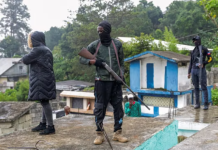
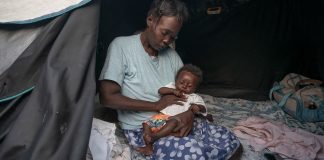
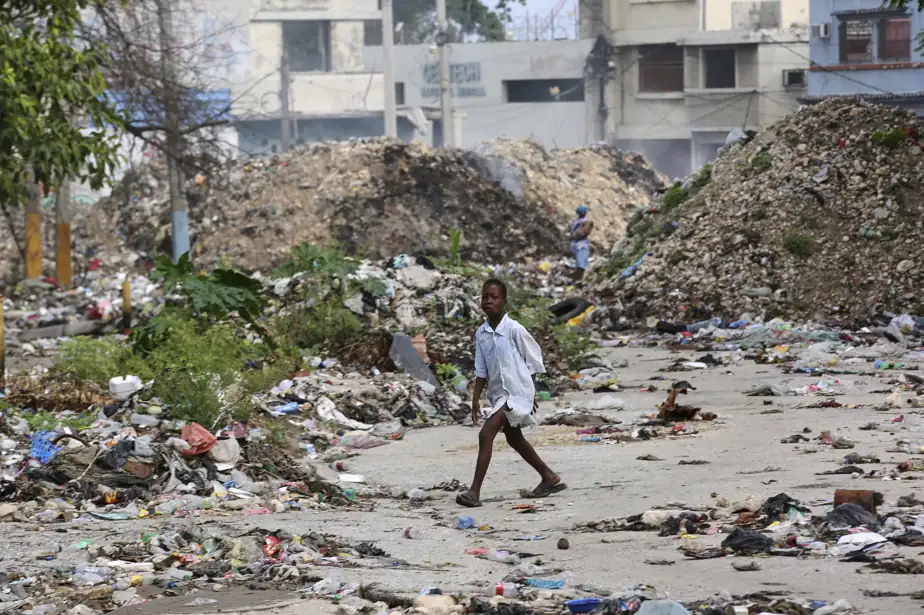
Armed group violence has forced 1.4 million people, around 12 per cent of the population, to flee their homes. Severe food insecurity affects 5.7 million people every day, placing Haiti among the world’s six most severe hunger crises. Attacks on essential services continue, with health facilities and schools regularly targeted and forced to close.
“I am deeply concerned by the relentless cycle of violence and the extreme brutality that Haitians continue to endure,” said the Humanitarian Coordinator. “Every day, 27 women and girls suffer gender-based violence, most often rape, including gang rape. Armed actors forcibly displace thousands of innocent civilians, if they do not kill them, and destroy homes and critical infrastructure. Armed groups also forcibly recruit children and young people, who now make up as much as half of their ranks.”
The 2026 Humanitarian Response Plan prioritizes urgent, multi-sector interventions in the departments of Ouest, Centre, and Artibonite, where armed violence and migrant deportations drive severe humanitarian needs. The response aims to reduce immediate risks to affected populations, stabilize households most impacted by repeated shocks, and restore access to essential services. In more stable areas of the Grand Sud and the Grand Nord, which host large numbers of internally displaced people, humanitarian partners will support local integration, ease pressure on host communities, and prevent social tensions, working closely with development actors.
“I call on all humanitarian and development partners, donors, and the Haitian authorities to support the 2026 Humanitarian Response Plan,” said Nicole Kouassi. “Together, we can protect lives, uphold dignity, and ensure that hope remains possible for future generations in Haiti.”